Physical Address
304 North Cardinal St.
Dorchester Center, MA 02124
Physical Address
304 North Cardinal St.
Dorchester Center, MA 02124

The Turkey Digital Nomad Visa is a one-year residence permit specifically created for foreign nationals who work remotely for companies or clients located outside Turkey. Unlike traditional work permits that tie you to a Turkish employer, this visa recognizes the reality of modern remote work where your physical location differs from your employer or client base.
This visa represents Turkey’s strategic move to attract high skilled international talent while boosting tourism in specific regions. The program targets professionals who can contribute to local economies through spending while maintaining employment relationships abroad, creating a win-win scenario for both digital nomads and Turkish communities.
Not everyone qualifies for Turkey’s digital nomad visa. The Turkish government established specific criteria to ensure applicants genuinely fit the remote worker profile and can support themselves financially.
Income Requirements: You must demonstrate stable monthly income of at least $3,000 or annual earnings of $36,000 minimum. This income must come from remote work, freelance contracts, or employment with companies based outside Turkey. Bank statements, employment contracts, or client agreements serve as acceptable proof.
Age Restrictions: Applicants must be between 21 and 55 years old. This age bracket targets working professionals in their prime earning years while excluding very young workers and those approaching retirement age.
Nationality Matters: Turkey hasn’t opened this visa to all nationalities. Only citizens from specific approved countries can apply, with the list primarily including developed nations and countries with strong passport rankings. Checking your eligibility based on citizenship is essential before starting the application process.
Professional Requirements: Your work must be genuinely location independent. Acceptable professions include software developers, designers, writers, consultants, digital marketers, and other roles where physical presence in a specific location isn’t mandatory. Traditional employees working remotely for their overseas employers also qualify, as do freelancers with documented client relationships.
Geographic Limitations: Currently, the visa applies to specific tourist destinations including Antalya, Bodrum, Marmaris, and Fethiye. These Mediterranean and Aegean coastal areas offer exceptional quality of life with reliable infrastructure suitable for remote work. The government may expand this list to additional regions based on program success.
Obtaining your Turkey Digital Nomad Visa involves several steps that require careful preparation and documentation.
Step 1: Gather Required Documents
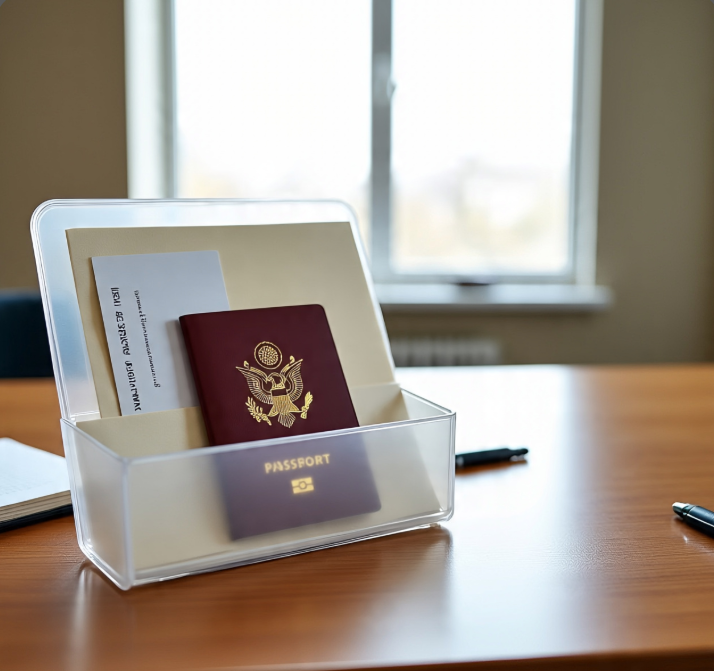
Before beginning your application, compile all necessary documentation. You’ll need a valid passport with at least six months remaining validity, employment contracts or freelance agreements proving remote work arrangements, income verification through bank statements covering the past 3-6 months, proof of health insurance covering your stay in Turkey, and passport-sized photographs meeting Turkish visa specifications.
Step 2: Submit Your Application
Applications are submitted through Turkish consulates or embassies in your home country, or through Turkey’s e-visa system depending on your nationality and circumstances. Some applicants successfully apply while already in Turkey on tourist visas by first obtaining the Digital Nomad Identification Certificate online, then converting their status.
The application involves completing detailed forms about your work situation, income sources, intended residence location, and background information. Accuracy is crucial inconsistencies between your application and supporting documents can lead to delays or rejection.
Step 3: Wait for Processing
Processing typically takes 30 days from submission. During this period, Turkish authorities verify your documentation, check your background, and assess whether you meet all eligibility criteria. Processing times can vary based on application volume, your nationality, and the specific consulate handling your case.
Step 4: Receive Your Visa
Upon approval, you’ll receive notification to collect your visa. If applying from abroad, this means visiting your local Turkish consulate. If already in Turkey, you’ll receive instructions for finalizing your residence permit through local authorities.
One of the most attractive features of Turkey’s Digital Nomad Visa is the favorable tax treatment, which distinguishes it from many competitor programs.
No Turkish Income Tax on Foreign Earnings: The most significant benefit is that you won’t pay Turkish income tax on your salary or freelance income earned from foreign sources, provided you meet specific conditions. Your earnings must be deposited into bank accounts outside Turkey or received in USD through Turkish bank accounts.
This tax exemption represents substantial savings compared to countries where digital nomads immediately face local income tax obligations. For someone earning $5,000 monthly, this could mean saving $1,000-2,000 monthly that would otherwise go to taxes in other jurisdictions.
Special Considerations for Different Professions: IT professionals receive additional benefits with potential 50% to 80% tax discounts on certain income categories. Young entrepreneurs under 29 years old also qualify for preferential tax treatment, making Turkey particularly attractive for tech professionals and startup founders.
What You Still Pay: While exempt from income tax on foreign earnings, you’ll still pay normal Turkish VAT on local purchases and services. Property rental doesn’t typically involve special tax considerations you’ll pay market rates without tax premiums for being a foreign resident.
Understanding the financial commitment helps you budget appropriately for your Turkey digital nomad visa journey.
Application Fees: Visa application fees vary by nationality but typically range from $60-200. This one-time fee covers application processing but doesn’t guarantee approval, so ensure you meet all requirements before applying.
Additional Costs: Beyond the visa fee itself, budget for document translations and certifications if your paperwork isn’t in Turkish or English, apostille services for certain legal documents depending on your country of origin, health insurance covering your entire stay (approximately $300-800 annually), and potential legal or consulting fees if you use professional assistance with your application.
Total Investment: Most applicants spend $500-1,500 total on the complete visa process including all fees, documentation, and insurance requirements. While this seems significant upfront, it’s considerably less than similar programs in other European countries.
Once you’ve secured your visa, understanding what daily life looks like helps you maximize your Turkish experience.
Accommodation Options: The approved visa locations Antalya, Bodrum, Marmaris, and Fethiye offer diverse housing options from modern apartments to traditional villas. Monthly rent for one-bedroom apartments ranges from $400-800 depending on location and proximity to the coast. Many digital nomads choose furnished rentals specifically marketed to international residents.
Internet and Infrastructure: All approved locations provide reliable internet infrastructure essential for remote work. Fiber optic connections are widely available with speeds typically between 50-100 Mbps. Co-working spaces have emerged in these areas, offering professional work environments, networking opportunities, and backup internet options.
Cost of Living: Your $3,000 monthly income requirement isn’t arbitrary it reflects a comfortable lifestyle budget in these regions. Expect to spend $1,200-1,800 monthly on rent, food, transportation, and entertainment, leaving substantial room for savings or travel.
Community and Networking: Turkey’s growing digital nomad community means you’ll find like-minded professionals in these locations. Regular meetups, co-working events, and online communities help newcomers integrate and build professional networks.
The visa initially grants one-year residence, but understanding renewal options helps with longer-term planning.
Renewal Process: After your first year, you can apply for renewal provided you continue meeting the income requirements and maintain your remote work status. The renewal process is typically simpler than the initial application since you’ve already established your situation.
Path to Permanent Residence: While the digital nomad visa itself doesn’t directly lead to permanent residence, spending several years in Turkey on various visa types can eventually qualify you for long-term residence permits. After eight consecutive years of legal residence, foreigners can apply for permanent status.
Transitioning to Other Visa Types: Some digital nomads eventually decide to establish businesses in Turkey or accept local employment. Transitioning from a digital nomad visa to a work permit or business visa is possible, though it involves starting new application processes.
Several myths and misunderstandings circulate about Turkey’s digital nomad visa program.
“Can I work for Turkish clients on this visa?” No, the visa specifically prohibits working for Turkish companies or clients. Your work must remain exclusively with foreign entities. Violating this restriction can result in visa cancellation.
“Do I need to stay in Turkey constantly?” While you need to maintain Turkey as your primary residence, the visa doesn’t prohibit international travel. Many digital nomads use Turkey as a base while traveling throughout the region.
“What happens if my income drops below $3,000 temporarily?” Occasional fluctuations are normal for freelancers. What matters is demonstrating consistent income over time. However, sustained income below the threshold during renewal could create complications.
“Can my family join me?” The visa program includes provisions for dependents, allowing spouses and children to obtain residence permits linked to your digital nomad visa, though they must meet their own eligibility requirements.
Turkey’s digital nomad visa offers compelling advantages favorable tax treatment, affordable living costs, Mediterranean lifestyle, and strategic location between Europe and Asia. However, it’s not ideal for everyone.
This visa works best for established remote workers with stable income streams exceeding the minimum requirements, professionals who value work-life balance and cultural experiences, digital nomads seeking affordable Mediterranean living without sacrificing infrastructure quality, and those who enjoy navigating new bureaucratic systems and see them as part of the adventure.
You might reconsider if you’re just starting your freelance career without established income, you require absolute legal simplicity without any bureaucratic complexity, you plan to work primarily with Turkish clients rather than international ones, or you need complete geographic flexibility without regional restrictions.