Physical Address
304 North Cardinal St.
Dorchester Center, MA 02124
Physical Address
304 North Cardinal St.
Dorchester Center, MA 02124

In a development that could significantly reshape regional economic ties, Saudi Arabia is considering a $10 billion investment in Pakistan, signaling renewed confidence in Pakistan’s long-term economic potential. While discussions are still evolving, analysts say the proposed investment could mark a turning point for Pakistan’s economy, which has faced persistent challenges ranging from foreign exchange shortages to slowing industrial growth.
The potential Saudi investment is being viewed not merely as financial assistance, but as a strategic partnership that could strengthen economic stability, boost industrial output, and deepen bilateral relations between the two countries. This will not only create new job opportunities but also attract foreign investment, stimulating economic growth. Pakistan’s Finance Minister, Muhammad Aurangzeb, has expressed optimism about the investment, stating that it will strengthen the country’s economy.
Saudi Arabia has long been one of Pakistan’s most important regional partners, providing financial support, energy supplies, and employment opportunities for millions of Pakistani workers. However, the scale and scope of the proposed $10 billion investment suggest a shift from short-term financial assistance toward long-term economic collaboration.
Rather than focusing solely on deposits or balance-of-payments support, the investment discussions reportedly center on productive sectors that can generate sustainable growth. This shift reflects Saudi Arabia’s broader strategy of diversifying its global investments while strengthening partnerships in key regional economies.
For Pakistan, such an approach is especially significant, as it aligns with the country’s need to move away from recurring financial crises toward durable economic development.
Saudi Arabia’s interest in Pakistan is rooted in several strategic and economic factors. First, Pakistan’s large population and expanding consumer base present long-term market opportunities. With over 240 million people, Pakistan offers scale that few regional economies can match.
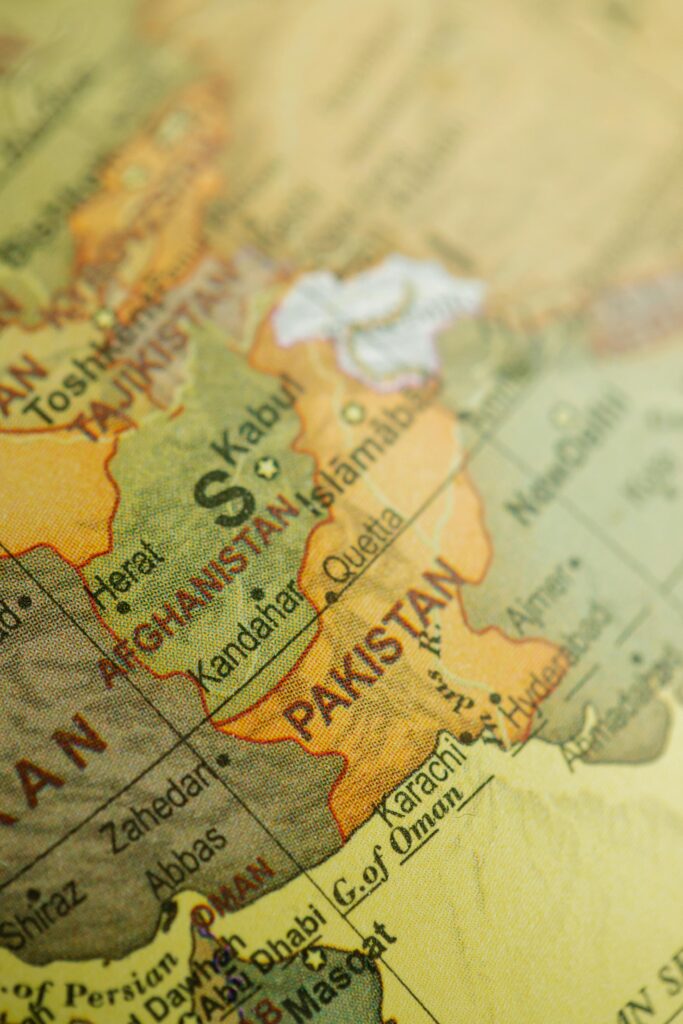
Second, Pakistan’s geographic location makes it a natural trade and logistics hub connecting South Asia, Central Asia, and the Middle East. Infrastructure projects and improved connectivity could allow Saudi investors to benefit from Pakistan’s role as a regional gateway.
Third, Pakistan possesses untapped potential in energy, agriculture, and mining, sectors that align closely with Saudi Arabia’s global investment interests. By investing in these areas, Saudi Arabia can diversify its portfolio while contributing to Pakistan’s economic transformation.Country’s strategic location, rich natural resources, and growing economy. Pakistan offers a unique blend of economic and geographic advantages, making it an attractive destination for foreign investors.
Although official details have yet to be finalized, economists expect the proposed investment to focus on a few high-impact sectors.
Energy development is widely seen as a top priority. Pakistan continues to struggle with energy shortages and inefficiencies that hinder industrial growth. Saudi investment in oil refining, renewable energy, and power generation could help stabilize supply and reduce reliance on expensive imports.
Infrastructure and logistics may also attract significant funding. Improved ports, roads, and industrial zones would not only facilitate trade but also enhance Pakistan’s attractiveness to other foreign investors.
Another promising area is agriculture and food security. Pakistan has vast agricultural resources but lacks modern technology and efficient supply chains. Investment in agribusiness could increase productivity, reduce waste, and boost exports.
Finally, mining and minerals, including copper and rare earth resources, represent long-term opportunities that could generate export revenues and industrial growth if developed responsibly.
The potential $10 billion figure has drawn headlines, but experts emphasize that the quality and structure of the investment matter more than the amount alone. If deployed effectively, the funds could trigger a multiplier effect across the economy.
Large-scale foreign investment can help stabilize Pakistan’s currency, improve investor confidence, and reduce pressure on foreign exchange reserves. It can also encourage other international investors to reassess Pakistan as a viable destination for capital.
Job creation is another major benefit. Investments in energy, infrastructure, and manufacturing can generate thousands of direct and indirect jobs, supporting income growth and domestic consumption.
Over time, such developments could expand Pakistan’s tax base, strengthen public finances, and reduce dependence on external borrowing.
Beyond economics, the proposed investment reflects the depth of political and strategic ties between Saudi Arabia and Pakistan. The two countries have historically supported each other during periods of economic and geopolitical uncertainty.
This potential partnership could further institutionalize cooperation, shifting the relationship from crisis-driven support to structured, long-term engagement. Such a transformation would benefit both sides by creating shared economic interests that extend beyond short-term considerations.
For Saudi Arabia, deeper economic engagement with Pakistan enhances its influence in South Asia and complements its broader regional diplomacy. For Pakistan, it provides a reliable partner at a time when global financial conditions remain uncertain.
While optimism is high, analysts caution that the success of any large-scale investment depends on policy consistency and execution. Pakistan has historically struggled with regulatory uncertainty, bureaucratic delays, and frequent policy shifts that can deter foreign investors.
Ensuring transparency, legal protection, and clear investment frameworks will be critical to converting interest into actual inflows. Investors will also be watching how Pakistan manages macroeconomic stability, including inflation control and fiscal discipline.
Security considerations, although improved in recent years, remain another factor. Sustained efforts to ensure investor safety and project continuity will be essential for long-term success.
The proposed Saudi investment comes at a time when Pakistan is attempting to implement structural reforms aimed at stabilizing its economy. These include broadening the tax base, reforming state-owned enterprises, and improving governance.
If aligned with these reforms, Saudi investment could act as a catalyst rather than a substitute for domestic policy action. Analysts stress that foreign capital can support growth, but it cannot replace the need for internal reforms.
The combination of external investment and internal reform could place Pakistan on a more sustainable growth trajectory, reducing vulnerability to recurring financial shocks.
The potential deal also has implications beyond bilateral relations. A successful Saudi investment in Pakistan could signal renewed confidence in emerging markets at a time when global investors remain cautious.
It may encourage other Gulf countries and international investors to explore opportunities in Pakistan, particularly if early projects demonstrate transparency and profitability.
Regionally, stronger Saudi-Pakistan economic ties could contribute to greater economic integration, fostering trade and investment flows across South Asia and the Middle East.
While discussions are ongoing, the next steps will likely involve feasibility studies, sector-specific agreements, and regulatory approvals. Observers will be watching closely for formal announcements that clarify timelines and investment structures.
For Pakistan, the focus should remain on creating an enabling environment that translates interest into execution. For Saudi Arabia, the challenge will be identifying projects that balance commercial returns with strategic objectives.
If managed effectively, the proposed $10 billion investment could represent more than a financial transaction it could become a cornerstone of a new economic partnership.
Saudi Arabia’s interest in investing $10 billion in Pakistan has the potential to reshape Pakistan’s economic outlook and redefine bilateral relations. By targeting productive sectors, encouraging job creation, and strengthening investor confidence, the investment could deliver long-term benefits for both countries.
However, success will depend on careful planning, policy stability, and mutual commitment. If these conditions are met, the partnership could indeed prove to be a game-changer, setting Pakistan on a more resilient and sustainable economic path while advancing Saudi Arabia’s global investment strategy.






[…] collaboration is in the food export sector.Saudi Arabia has partnered with Alibaba to promote Saudi dates on Alibaba’s international […]