Physical Address
304 North Cardinal St.
Dorchester Center, MA 02124
Physical Address
304 North Cardinal St.
Dorchester Center, MA 02124
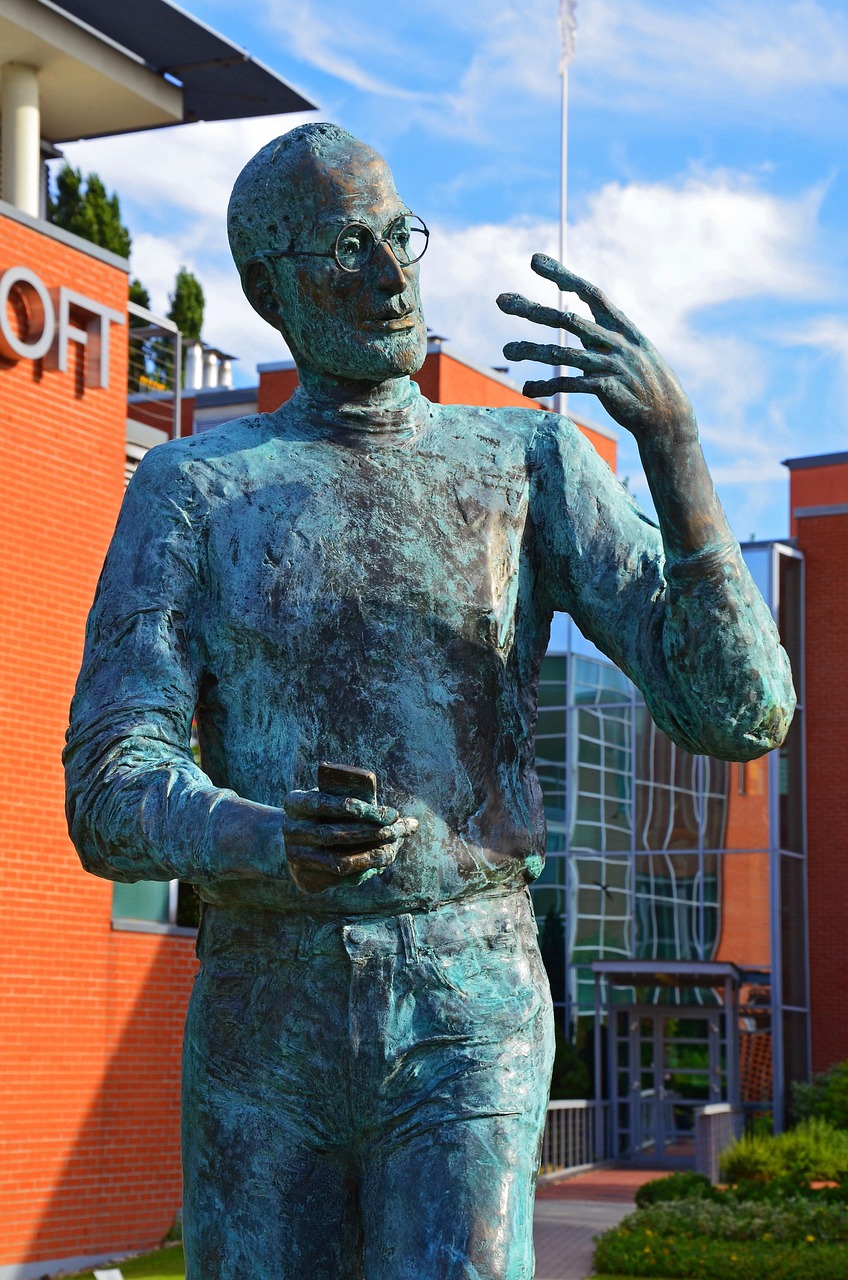
Steve Jobs is one of the most iconic entrepreneurs in history. He built Apple from a small garage startup into a company that would later revolutionize the world. But what many people do not know is that Steve Jobs was actually fired from Apple, the very company he founded. This surprising and dramatic moment became one of the most important turning points in his life and in the history of the tech industry.
Steve Jobs co-founded Apple in 1976 with Steve Wozniak and Ronald Wayne. Their mission was simple: build powerful computers for everyday people, not just for businesses or nerds in labs. Apple grew quickly, becoming one of the fastest-rising companies in Silicon Valley.
Within a few years:
But behind the scenes, problems were already starting to grow.
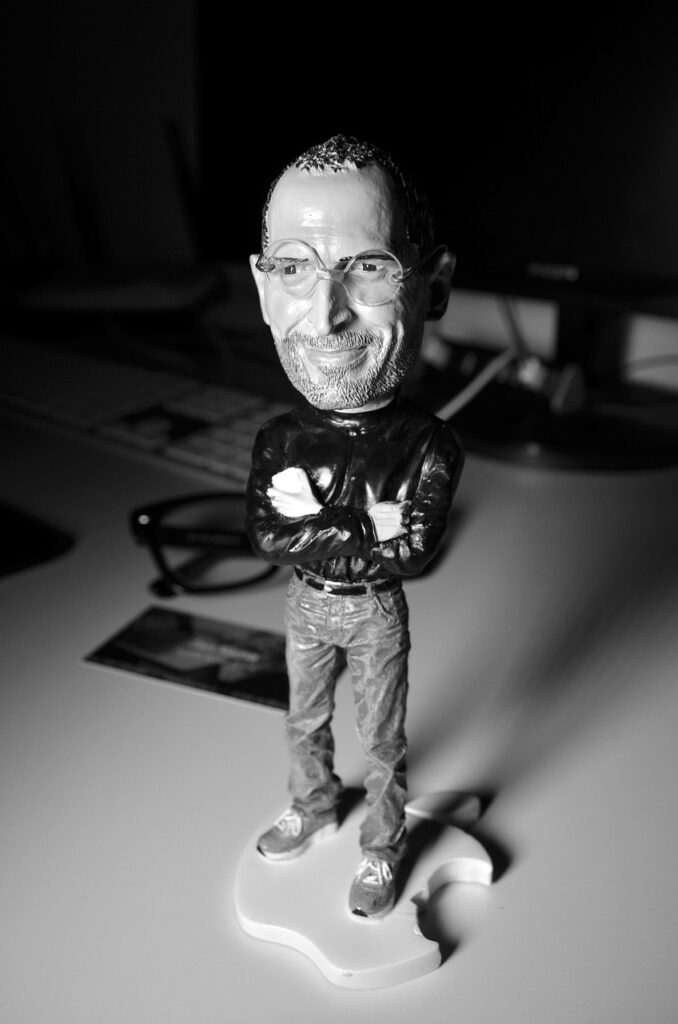
Steve Jobs was a visionary, but he was also known for being intense, demanding, and sometimes very difficult to work with. His leadership style did not always match the corporate environment Apple was becoming.
The Apple Lisa, one of Jobs’ early projects, was a massive failure because:
Then came the early Macintosh. Although the Mac would eventually become iconic, the first version had issues:
Sales started to slow down, and Apple’s board was worried.
In 1983, Steve Jobs hired John Sculley, a well-known executive from Pepsi. Jobs believed Sculley could help Apple become a global giant. Jobs famously asked him:
“Do you want to sell sugar water for the rest of your life, or come with me and change the world?”
But after joining Apple, Sculley began to see Jobs differently. Jobs was brilliant but unpredictable. His ideas were great, but they were often expensive and difficult to execute.
Soon, Apple was divided into two sides:
Their disagreements began to grow, especially over the future of Macintosh.
The Macintosh was Jobs’ dream project, but when early sales struggled, Sculley and the board blamed Jobs’ leadership. Steve Jobs wanted to drop the price and take bold risks. Sculley wanted stability and safer decisions.
Things reached a breaking point when:
After several tense meetings, Apple’s board chose Sculley, not Jobs.
After the board sided with Sculley, Jobs was stripped of all power. His team was reassigned, and he was removed from the Macintosh project.
Steve Jobs later described the moment as:
“I was out and very publicly out.”
He wasn’t technically fired, but he was pushed into a corner with no authority. So he left his own company in 1985. For Jobs, this was heartbreaking. Apple was like his own child, and now he was no longer welcome.
After Steve Jobs left, Apple slowly began to fall apart. Without a clear vision or innovation:
Many experts predicted Apple would die.
But something unexpected happened.
After leaving Apple, Jobs founded NeXT, a new computer company. At first it didn’t become a huge success, but it introduced advanced technology that would later become important for Apple.
During this time, Jobs also bought Pixar, which eventually became the most successful animation studio in the world.
By 1997, Apple was struggling so badly that they brought Steve Jobs back by buying NeXT. This decision changed everything.