Physical Address
304 North Cardinal St.
Dorchester Center, MA 02124
Physical Address
304 North Cardinal St.
Dorchester Center, MA 02124
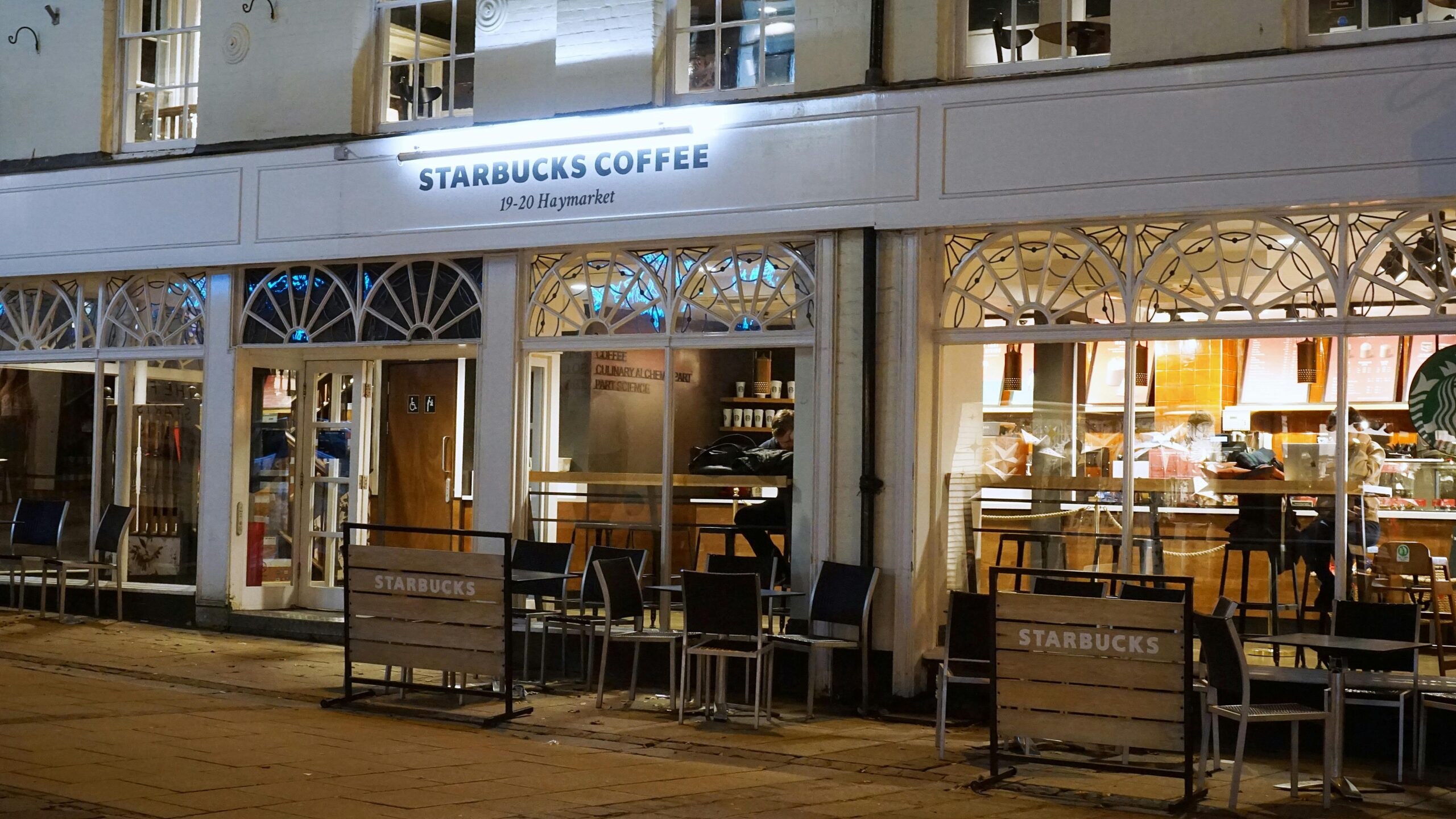
The success story of Starbucks is one of the most inspiring business journeys in the world. What started as a small store in Seattle turned into a global coffee empire with thousands of locations in more than 80 countries. Starbucks became a cultural icon, a lifestyle, and a worldwide brand through innovation, branding, and a customer-first approach.
Starbucks was founded in 1971 by three friends Jerry Baldwin, Gordon Bowker, and Zev Siegl.
They were inspired by their passion for high-quality coffee beans and wanted to bring premium, freshly roasted coffee to the people of Seattle.
The first Starbucks store didn’t sell brewed coffee at all. It sold:
Their goal was simple:
“Educate people about real, high-quality coffee.”
This small store became popular for its authentic coffee beans, but the true transformation came when a visionary leader joined the company.
In 1982, a young marketing executive named Howard Schultz joined Starbucks. He visited Italy for a business trip and experienced something magical Italian espresso bars.
He saw people enjoying coffee as a social experience, not just a drink. People were sitting, relaxing, talking, and building relationships in warm coffee houses.
Schultz returned with a big idea:
However, the original founders disagreed. They wanted to stay focused on selling beans, not opening cafés.
Schultz didn’t give up. He started his own coffee shop concept. Eventually, he bought Starbucks and transformed it into the modern coffee culture we know today.
Howard Schultz introduced a revolutionary idea:
Starbucks would be the ‘Third Place’ a place between home and work where people could relax, connect, and enjoy high-quality coffee.
This idea changed everything.
Starbucks began offering:
This “Third Place” concept made Starbucks more than a café it became a lifestyle brand. People started visiting Starbucks not just for coffee, but for comfort, creativity, and connection.
During the 1990s, Starbucks started expanding aggressively across the USA and soon entered international markets. Their recipe for success was simple:
The world quickly recognized Starbucks through its iconic green siren logo and signature drinks like:
Today, Starbucks operates 38,000+ stores worldwide, making it one of the largest coffee chains on the planet.
Starbucks has never stopped innovating. They continually launch new drinks and products to stay ahead of the competition.
Starbucks was one of the first brands to understand that technology improves customer experience, and this helped them dominate the coffee market.
Starbucks also built its reputation on sustainability and ethical business practices.
This commitment helped Starbucks win customer trust and maintain a strong global reputation.
Starbucks didn’t become a global brand just by selling coffee. It succeeded because it created an entire culture around coffee.
Starbucks maintains consistent store design, colors, atmosphere, and service in every location worldwide.
Friendly baristas, comfortable seating, and relaxing ambiance make Starbucks unique.
Seasonal drinks, digital ordering, and constant menu updates keep customers excited.
Starbucks shops are community hubs where people meet, study, work, and relax.
Starbucks opens stores in places where coffee culture is growing fast, helping it dominate new markets.






[…] after joining Apple, Sculley began to see Jobs differently. Jobs was brilliant but unpredictable. His ideas were great, but they were often expensive and […]
[…] Nokia’s story is also inspiring. After failing in the mobile industry, Nokia shifted towards 5G technology, telecom equipment, and networking, and successfully rebuilt its […]