Physical Address
304 North Cardinal St.
Dorchester Center, MA 02124
Physical Address
304 North Cardinal St.
Dorchester Center, MA 02124
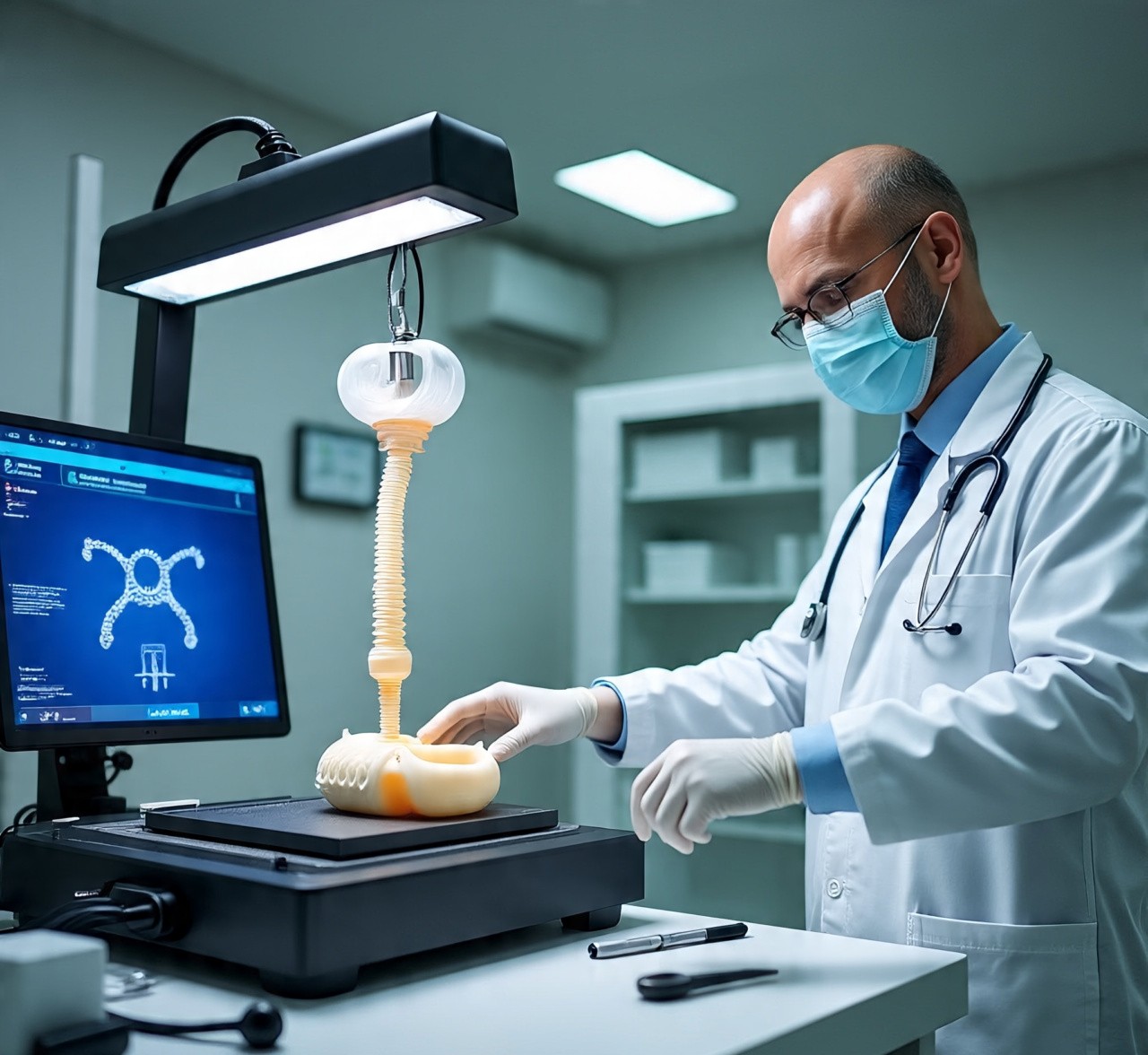
Artificial Intelligence (AI) is rapidly reshaping every industry, but its impact on healthcare is truly revolutionary. By 2026, AI will move beyond basic automation and become a core component of diagnosis, hospital management, treatment planning, and patient monitoring. As healthcare systems face increasing pressure from rising costs, aging populations, and global health challenges, AI will serve as the backbone for smarter, faster, and more accurate medical processes.
Healthcare has always been a critical sector, but traditional systems struggle with accuracy, time-consuming procedures, and limited access to quality care. AI addresses these challenges by analyzing massive datasets, learning patterns, and assisting doctors with data-driven decisions.
By 2026:
AI is no longer just a futuristic concept. It is now a core technology shaping the future of global health.
One of the most significant impacts of AI in 2026 will be in medical diagnosis. AI algorithms are already outperforming humans in identifying certain diseases, especially those detectable through images.
By 2026, AI-powered diagnostic tools will reduce misdiagnosis rates globally and help doctors make faster and more reliable decisions.
Personalized treatment is one of the biggest advantages AI brings to the medical field. Instead of using one common treatment for all patients, AI analyzes individual data to create customized medical plans.
This helps doctors understand how a specific patient will respond to a treatment. Personalized medicine is expected to:
By 2026, personalized healthcare will become mainstream, and AI will be the engine behind it.

AI-powered surgical robots are transforming the operating room. These robots assist surgeons with accuracy, precision, and minimal risk.
Robotic-assisted surgery is already used in cardiac, orthopedic, and neurological procedures. By 2026, AI-based robotic surgery will become more affordable and widely available across hospitals worldwide
Traditional drug development takes years and costs billions. AI is changing this by predicting how chemical compounds will interact with the human body.
During the COVID-19 era, AI tools helped researchers analyze vaccine data more quickly. By 2026, AI will enable pharmaceutical companies to develop new medicines in months instead of years.
Hospitals deal with huge volumes of administrative work. AI helps automate repetitive tasks and reduces staff workload.
Smart hospitals will use AI to reduce waiting times, improve patient experience, and minimize human mistakes.
By 2026, many hospitals will operate as semi-automated medical centers, where AI supports both doctors and administrative teams.
Telemedicine has grown massively since the pandemic, and AI will take it to the next level by 2026.
Patients will get healthcare advice instantly, reducing the need for in-person visits. This is especially useful in rural or underserved areas.
AI’s predictive capabilities can identify patterns, assess risks, and warn medical professionals before a condition becomes severe.
By 2026, predictive analytics will play a major role in preventive healthcare, helping millions avoid severe diseases by catching them early.
Mental health issues have increased globally, and AI tools are becoming essential in providing digital mental care.
AI cannot replace human therapists, but it provides support where traditional care is limited.
By 2026, digital mental health platforms will expand significantly due to AI advancements.
Healthcare systems hold sensitive patient data, making them prime targets for cyberattacks. AI will help secure medical information through:
By 2026, AI-driven cybersecurity will be mandatory for all major hospitals and medical networks.
Despite the progress, there are still challenges that need attention:
Solving these issues will be crucial for ensuring safe and successful AI adoption.
The future of AI in healthcare in 2026 is promising and transformative. From accurate diagnosis and personalized treatments to robotic surgeries and digital health monitoring, AI will reshape every aspect of medicine. Hospitals, doctors, and patients will all benefit from faster processes, improved accuracy, and reduced costs.
As we move toward 2026, AI will not replace doctors it will empower them. It will work as a supportive partner, enhancing human expertise and enabling a healthier world.






[…] Valley calls AI the new oil because it has become the core economic resource and competitive advantage of the dig…AI fuels innovation, powers new industries, automates operations, and unlocks massive value from […]