Physical Address
304 North Cardinal St.
Dorchester Center, MA 02124
Physical Address
304 North Cardinal St.
Dorchester Center, MA 02124
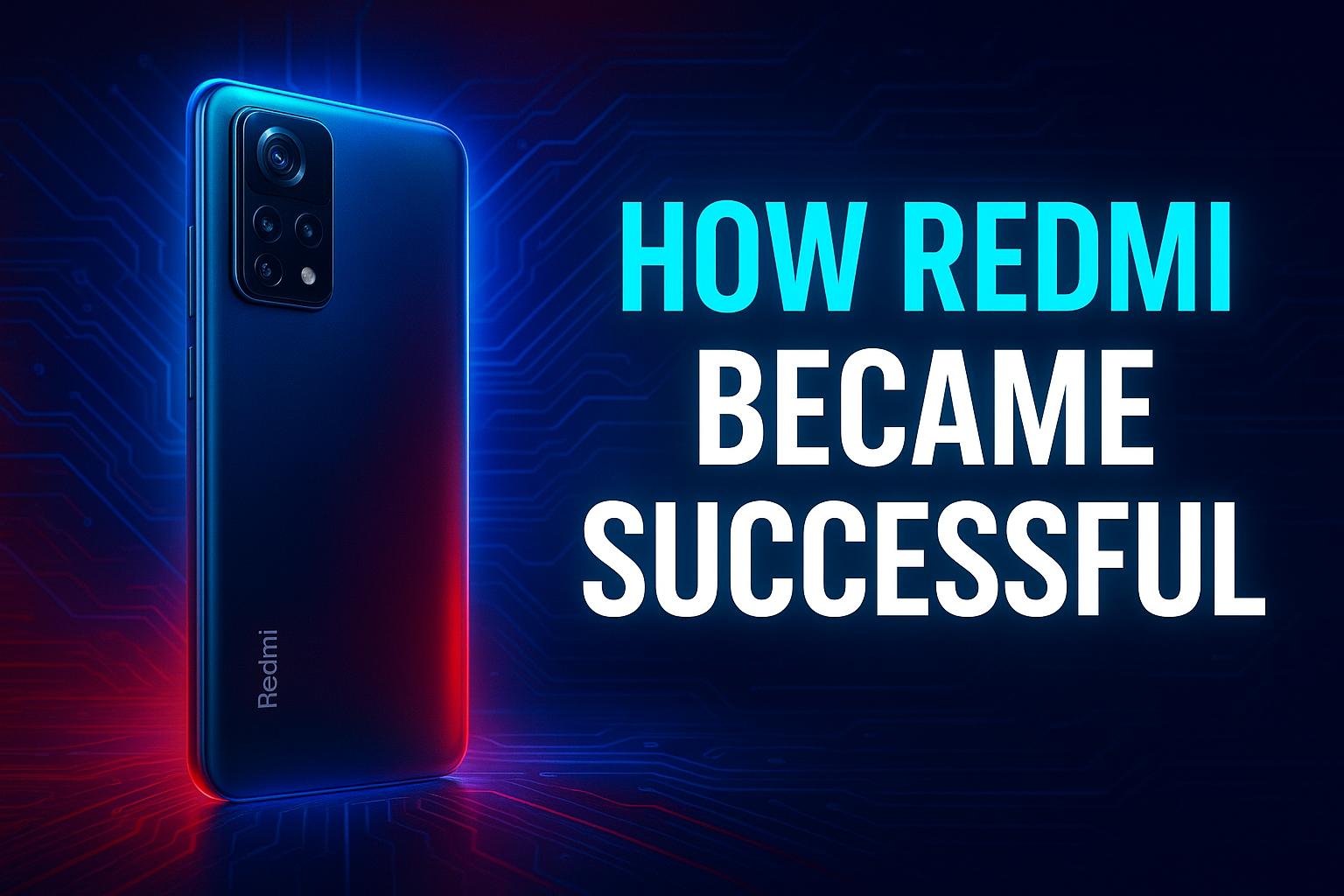
Redmi is one of the most successful smartphone brands in the world today, dominating markets across Asia, the Middle East, and Europe. What makes the Redmi success story remarkable is that it transformed from a budget sub-brand to a global market leader within a short period. While many brands struggled to survive in a highly competitive smartphone industry, Redmi not only survived but also set a new standard for affordable innovation.
Redmi was launched in 2013 as a separate smartphone series under Xiaomi. At that time, the smartphone industry was dominated by premium brands, and affordable phones lacked quality and reliability. Xiaomi identified a massive gap in the market: millions of people wanted good phones but could not afford the high prices.
Redmi was the solution to this problem.
The primary goal of Redmi was simple:
Deliver high-performance smartphones at extremely low prices without compromising quality.
This idea disrupted the entire industry, making Redmi a strong competitor against global brands like Samsung, Huawei, and even Apple in some markets.
The number one reason Redmi became successful is its value-for-money strategy. While other brands spent heavily on marketing and retail stores, Xiaomi focused entirely on product quality and kept prices low.
Key elements of Redmi’s value-for-money strategy included:
By offering premium features in budget categories, Redmi quickly gained the trust of users who previously believed affordable phones were low-quality.
One of the smartest strategies Redmi used was its online-first sales model. Instead of selling through traditional retail stores, where costs are high, Redmi sold most of its devices online.
This allowed Redmi to:
The flash sale model, especially in India and China, created massive hype. Phones would sell out in minutes, increasing demand and brand visibility.
Redmi built a loyal user base by involving customers directly in product development. Xiaomi’s MIUI community played a major role in this.
Users were invited to:
This created a sense of ownership among users, making them feel like part of the brand’s growth. This community-driven approach made Redmi one of the most loved budget smartphone brands.
Redmi focused on providing superior hardware specifications compared to competitors in the same price range. This included:
While other brands were selling outdated technology in budget phones, Redmi was offering features normally found in mid-range or premium devices.
This aggressive hardware strategy was one of the strongest reasons behind Redmi’s global success.
Redmi followed a highly efficient manufacturing system. Xiaomi worked with top suppliers and manufacturers to keep production costs low while ensuring consistent quality.
Key cost-saving methods included:
This helped Redmi maintain quality while staying ahead of competitors in pricing.
Redmi phones run on MIUI, Xiaomi’s custom Android skin. One reason Redmi phones feel so feature-rich is MIUI itself. It offers:
MIUI kept Redmi phones engaging and improved user satisfaction. This made customers more likely to return to Redmi when buying their next phone.
Redmi’s success is strongly tied to understanding local market demands. Instead of offering the same phone globally, Redmi tailored its models for different markets.
For example:
By adjusting features according to each region’s needs, Redmi created devices that felt like they were made specifically for that market.
This localized strategy helped Redmi outperform brands that offered the same models everywhere.
The Redmi Note series is one of the biggest contributors to Redmi’s success. These mid-range devices offer near-flagship features at a fraction of the cost.
Features include:
The Redmi Note series sold millions of units worldwide and became one of the most successful smartphone series in the history of mobile technology.
While Redmi initially focused on online platforms, it later expanded to offline stores once its brand became strong enough. This hybrid model increased sales in rural and semi-urban areas where online shopping was limited.
By combining online and offline distribution, Redmi became accessible to a much wider audience.
Redmi practiced minimal but impactful marketing. Instead of spending heavily on advertisements, Redmi relied on:
This organic marketing approach helped Redmi save money and invest more in product development.
Redmi further strengthened its presence by expanding into other electronics, such as:
This ecosystem approach made the brand more reliable and familiar to users, encouraging long-term loyalty.
Redmi built a reputation for making durable smartphones with reliable performance. This consistency helped build trust with customers.
Key areas where Redmi excelled:
By focusing on reliability, Redmi became the top choice for students, office workers, and budget-conscious buyers.
Redmi’s success is not accidental. It is the result of smart strategy, innovative thinking, market understanding, and a strong focus on customer value. By offering powerful phones at affordable prices, Redmi changed the entire smartphone industry and set a new benchmark for budget devices.
Today, Redmi stands as one of the world’s most trusted and successful smartphone brands, proving that innovation does not have to come with a high price. Its journey continues to inspire new businesses around the world.






[…] faced tough competition in almost all […]
[…] your internet or switching from Wi-Fi to mobile data. If you use a VPN, turn it off and try again. Clearing the app or browser cache often restores normal performance, and restarting your device helps remove […]
[…] the technology may operate alongside traditional immigration methods, giving travelers multiple options during the transition […]