Physical Address
304 North Cardinal St.
Dorchester Center, MA 02124
Physical Address
304 North Cardinal St.
Dorchester Center, MA 02124
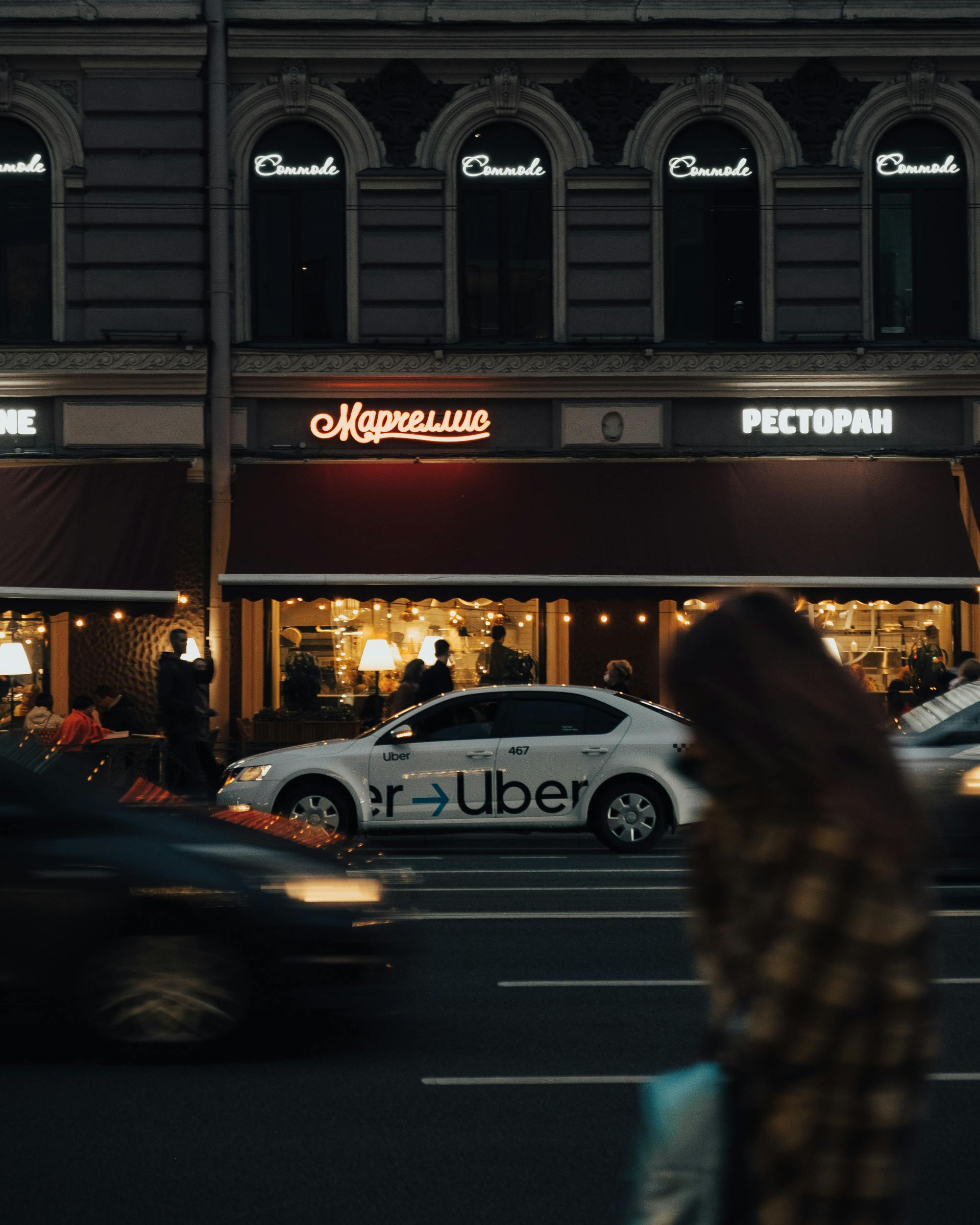
The transportation industry has witnessed dramatic shifts over the past century, but no innovation has transformed mobility as rapidly and profoundly as Uber. What began in 2009 as a simple idea involving a mobile app and a few cars in San Francisco eventually evolved into a global ride-hailing giant. Uber did more than introduce a new business model; it changed how people move, work, travel, and think about transportation. Today, Uber stands as a symbol of convenience, technology-driven services, and economic opportunity. It also represents a case study in disruption, raising questions about competition, pricing, labor, and regulation.
Before Uber, traditional taxi services followed a fixed model: passengers waited at taxi stands, waved on the street, or called dispatch centers. This process was slow, unpredictable, and often inconvenient. Uber introduced an entirely new concept: on-demand rides at the tap of a button. The app connected passengers with drivers in real time, reducing waiting times from minutes to seconds.
Uber made the ride experience seamless through features such as:
These conveniences set a new standard for transportation. Customers no longer needed to search for taxis or negotiate prices. Everything became automated, transparent, and efficient.
Uber became one of the first major companies to popularize the sharing economy, a business model built on using personal assets to provide services. Drivers used their own cars, reducing the need for Uber to invest in vehicle ownership or maintenance.
This shift had significant effects:
Uber proved that private vehicles could function as a public service system, inspiring the creation of companies like Airbnb, Lyft, Careem, and Bolt.
Uber introduced smart technology into transportation at a level never seen before. Its app-based interface, mapping systems, data tracking, and machine learning capabilities helped enhance both user experience and operational performance.
Key technological innovations included:
This technology-driven approach made Uber scalable, predictable, and efficient in ways traditional taxi companies could not match.
Uber raised customer expectations in the transportation industry. Before Uber, the public accepted delays, inconsistent pricing, and poor service as normal. After Uber, people expected:
These expectations pushed taxi companies and competitors to modernize. Many traditional taxi services began adopting digital apps, online payments, and GPS integration to stay competitive.
One of Uber’s most influential contributions is its role in shaping the gig economy. Millions of people worldwide became Uber drivers, choosing flexible working hours and part-time income rather than traditional jobs.
This shift created a new type of workforce where individuals worked independently without fixed salaries or employer benefits. Gig-based employment grew rapidly, influencing fields such as food delivery, freelancing, and courier services.
However, the model also sparked debates over:
Despite controversies, the gig economy became a global trend because of Uber’s impact.
Uber’s expansion led to major disruptions in traditional transportation sectors. Taxi companies struggled to compete with Uber’s lower prices, faster service, and more comfortable customer experience. Many taxi unions protested globally, demanding stricter regulations on ride-hailing services.
Several major changes occurred:
Uber forced an entire industry to modernize and innovate.

While Uber began as a ride-hailing service, it quickly transformed into a global mobility platform. The company diversified into multiple services, including:
This expansion positioned Uber not just as a ride company but as a leader in global mobility solutions.
Pricing transparency became one of Uber’s strongest advantages. Traditional taxis often lacked clear fare systems, resulting in disputes. Uber’s in-app fare calculation brought clarity and predictability.
Effects on the industry:
Today, digital transportation payments are a norm largely because of Uber’s influence.
Safety became a critical component of Uber’s business model. The app introduced several features that enhanced passenger and driver security, such as:
These features helped set new industry benchmarks that many transportation providers adopted afterward.
Uber operates in over 70 countries, touching nearly every continent. Its presence reshaped:
Cities around the world integrated Uber into daily life, often relying on it as a primary transportation method.
While Uber’s journey has included challenges, competition, and regulatory battles, its role in the future of transportation remains strong. The company continues to innovate in:
Uber’s long-term vision is to create a more efficient, accessible, and technologically advanced transportation ecosystem.
Uber changed the transportation industry in ways few companies have changed their markets. It introduced a new model of on-demand mobility, redefined consumer expectations, and created new economic opportunities. By merging technology, data, and convenience, Uber reshaped transportation forever. The world now expects fast, digital, and reliable mobility expectations that began with Uber’s revolutionary vision.
From traditional taxis to global mobility platforms, the industry continues to transform because of the standards Uber introduced. Uber’s influence extends beyond transportation; it changed how people live, work, and navigate cities in the modern digital age.