Physical Address
304 North Cardinal St.
Dorchester Center, MA 02124
Physical Address
304 North Cardinal St.
Dorchester Center, MA 02124
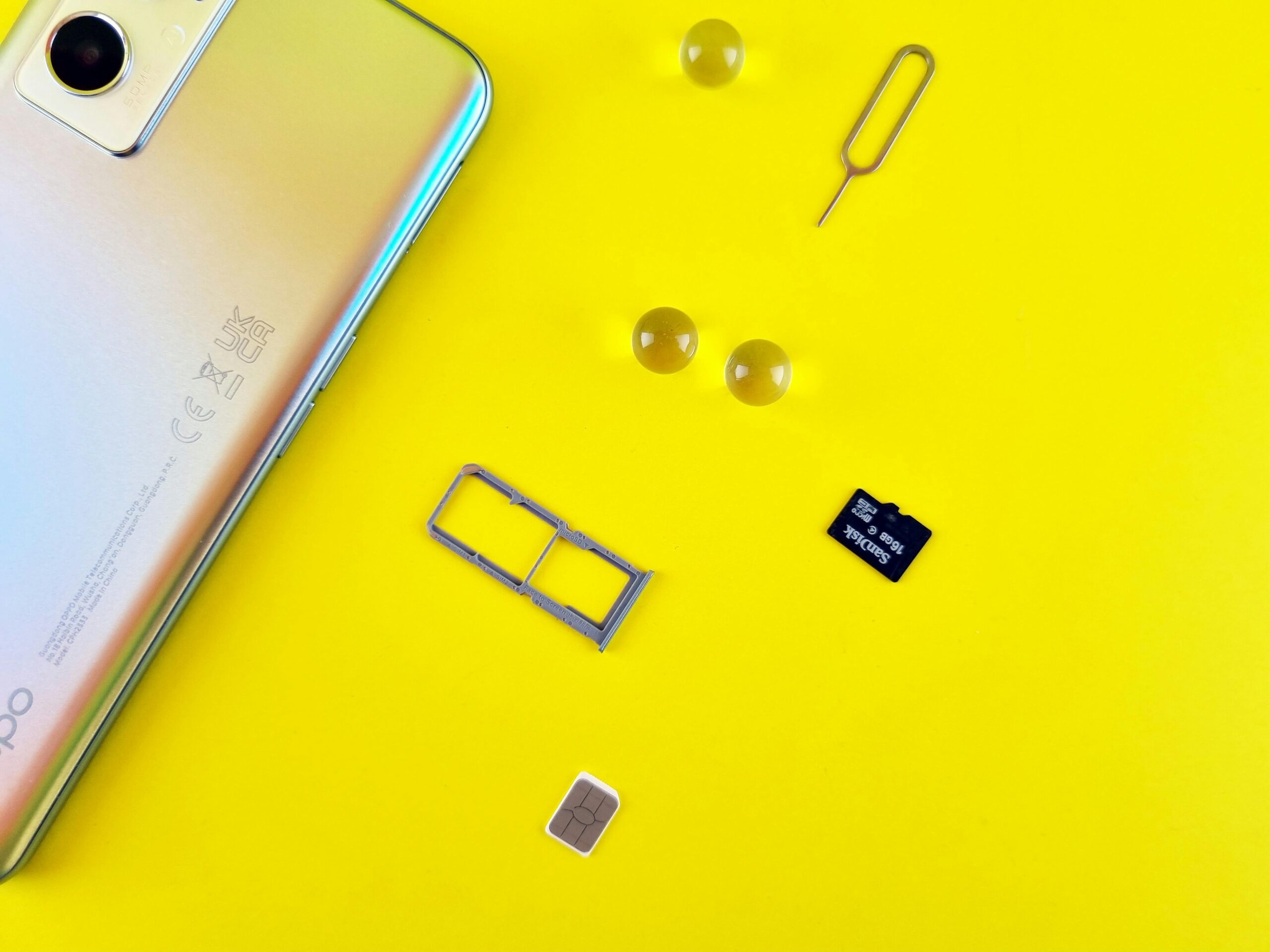
For years, the tiny plastic SIM card has been the heart of every mobile phone. It connected us to networks, unlocked communication, and became a constant companion across generations of devices. But technology evolves, and so do the tools we rely on. By 2026, the world may witness one of the biggest shifts in telecom history: the gradual end of physical SIM cards.
Today, mobile companies, smartphone manufacturers, and network providers are all moving toward digital identity systems that no longer require the traditional SIM. Instead, a new era of eSIM and iSIM technology is reshaping connectivity faster, cleaner, and more secure than ever.
So why exactly is 2026 being predicted as the turning point? What global changes are pushing physical SIM cards toward extinction? And what does this future mean for users, retailers, and mobile companies?
The first sign of the SIM card’s decline started years ago when major brands introduced eSIM a digital version of the SIM embedded inside the phone. Instead of inserting plastic cards, users simply activate a digital profile.
But the real revolution arrived with iSIM, where the SIM function is built directly into the device’s processor. No slot. No removable card. No plastic.
This shift gained massive momentum in 2024–2025:
By 2026, this momentum is expected to collide making physical SIM cards nearly obsolete in many parts of the world.
One of the strongest drivers of change is the decision of major smartphone manufacturers to remove SIM trays entirely.
Brands like Apple, Google, Samsung, Xiaomi, and Motorola have already released:
This design direction has several benefits:
Without a SIM slot, the phone has fewer openings.
Manufacturers can use the saved space for:
A single global model is cheaper and easier to produce.
By 2026, most flagship phones are expected to adopt eSIM or iSIM-only designs, accelerating the end of physical cards.
Physical SIM cards require:
Digital SIMs eliminate all of this.
Telecom companies prefer eSIM because:
In 2025, many networks began offering eSIM-first activations.
By 2026, several countries may make eSIM the default, not the exception.
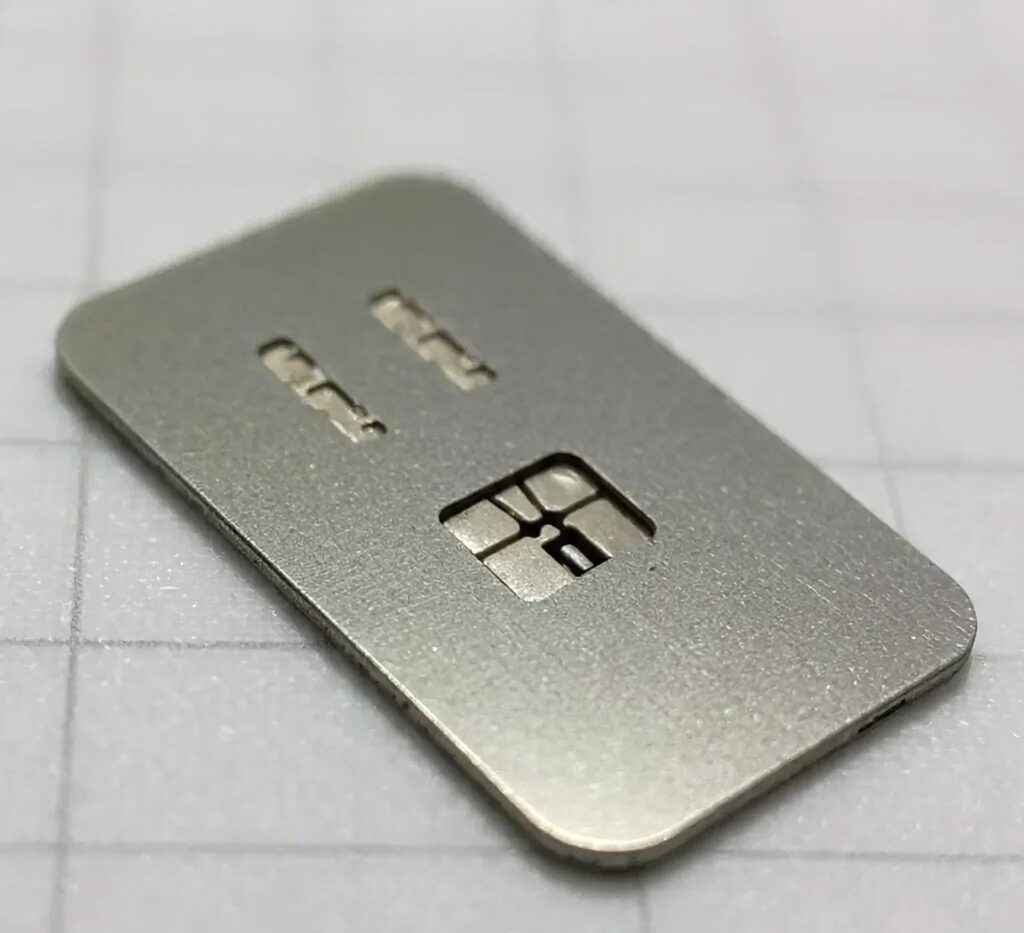
Security is one of the biggest reasons physical SIM technology is fading.
As digital threats increase worldwide, governments and telecom regulators may begin endorsing iSIM technology over physical SIM cards.
International travelers often juggle multiple SIM cards buying local SIMs in each country.
But eSIM has changed this entire experience:
2026 will see even more global travel eSIM providers entering the market, making physical SIM cards irrelevant for frequent travelers.
Physical SIM cards contribute to:
As sustainability becomes a priority worldwide, reducing plastic-based tech components is essential.
Telecom companies publicly announced goals to reduce plastic usage by millions of units annually.
The easiest way to start?
Eliminate physical SIM cards.
Many countries are working on digital identity integration:
The SIM card often acts as a secondary identity layer.
With eSIM/iSIM, governments can:
By 2026, several countries may adopt digital-only SIM activation policies.
Let’s break it down:
No more visiting shops.
No need to insert a card.
Just scan a QR code.
Users can store several digital SIMs.
Changing networks becomes instant.
Harder for thieves to hijack SIM.
How many times have people broken SIMs while cutting or inserting?
That problem disappears.
Devices with SIM trays will continue working but may lose global compatibility.
Shops that sell SIM cards may face a decline in business as telecoms shift to digital onboarding.
Retailers may pivot toward:
The transition will be similar to how paper recharge cards disappeared after digital top-ups became dominant.
Not entirely.
But 2026 is the transition year where:
By 2028–2030, physical SIMs may be nearly extinct except in low-budget markets.
The world is moving toward digital identity, chip-integrated security, and streamlined connectivity.
The physical SIM card has served us well, but technology now demands something faster, smarter, and more secure.
2026 represents the year when:
The end of physical SIM cards is not a question of “if” it is simply a question of “when.”
And all signs point to 2026 as the year the transition truly begins.