Physical Address
304 North Cardinal St.
Dorchester Center, MA 02124
Physical Address
304 North Cardinal St.
Dorchester Center, MA 02124
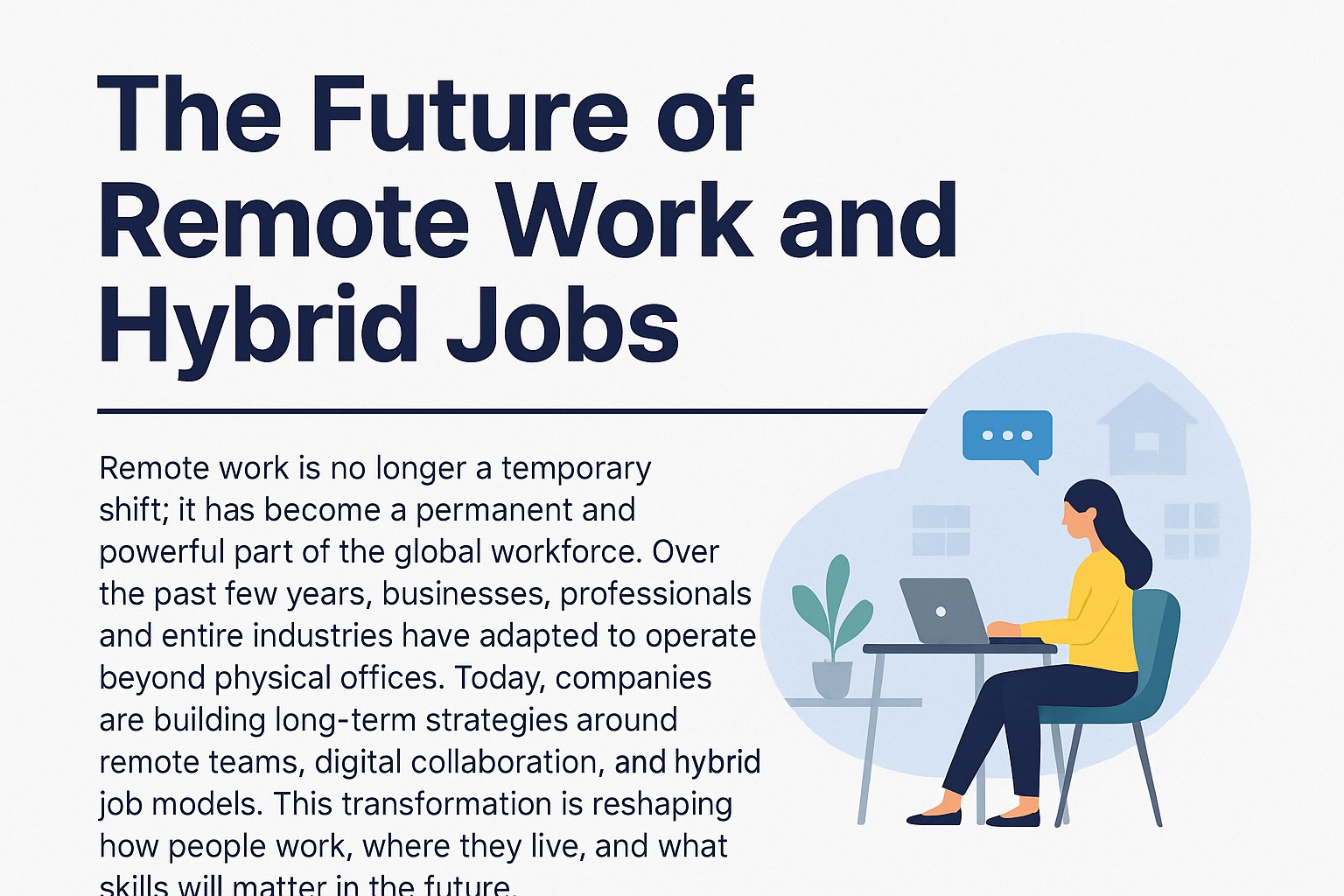
Remote work is no longer a temporary shift; it has become a permanent and powerful part of the global workforce. Over the past few years, businesses, professionals, and entire industries have learned to operate beyond physical offices. Today, companies are building long-term strategies around remote teams, digital collaboration, and hybrid job models. This transformation is reshaping how people work, where they live, and what skills will matter in the future.
As we move deeper into a digital-first world, it is important to understand how remote work is evolving, what hybrid jobs truly mean, and how professionals can prepare for long-term success.
Before 2020, remote work was a perk offered by only a few innovative companies. Today, it is a global standard adopted across technology, finance, healthcare, education, creative industries, and even government sectors. Organizations realized that employees could deliver exceptional performance without being tied to a physical office.
Several key factors have driven this shift:
1. Digital transformation accelerated
Businesses rapidly adopted cloud tools, remote communication platforms, AI, and automation.
2. Talent demands changed
Professionals today want flexibility, autonomy, work-life balance, and the ability to choose where they work.
3. Companies discovered cost benefits
Lower office rent, fewer operational expenses, and access to a global talent pool have made remote hiring more appealing.
4. Productivity increased
Studies show that employees working from home often produce higher-quality work with fewer interruptions.
These changes have established remote work as an essential part of the modern economy.
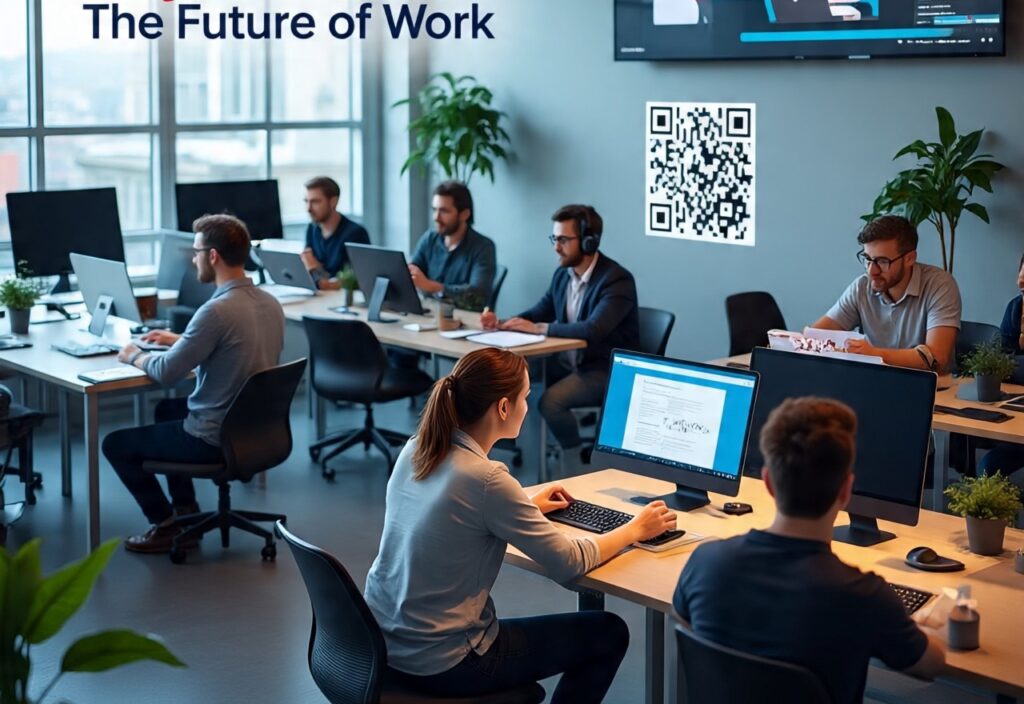
A hybrid work model combines remote and in-office work. It gives employees the freedom to work from home but also maintains physical office space for meetings, team collaboration, and essential onsite tasks.
Hybrid models vary depending on company policies:
The hybrid trend is growing because it balances flexibility with structure, making it one of the most preferred models for both businesses and employees.
The future of work is shaped by technology, lifestyle choices, and global economic changes. Several trends indicate that remote and hybrid jobs will continue to expand:
Businesses are integrating AI automation, cloud-based project management, and digital communication tools. These solutions make remote operations smoother and more efficient.
Instead of limiting recruitment to one city or region, companies now hire from a worldwide talent pool, enabling diversity and better skill matching.
Professionals are choosing careers that allow them to travel, relocate, or work from multiple countries. Governments are responding with digital nomad visas and specialized work permits.
Freelancers, consultants, and remote contractors are becoming a significant part of the workforce. Companies prefer flexible hiring to reduce costs and improve project-based productivity.
Surveys consistently show that professionals prioritize flexibility over salary increases. This demand ensures that employers continue offering remote options to stay competitive.
While early adoption was higher in technology fields, many industries now embrace remote or hybrid models:
These sectors rely heavily on digital platforms, making them ideal for long-term remote growth.

As work becomes more digital, certain skills will determine who thrives in the new environment.
Understanding collaboration tools, project management software, cloud systems, and AI technologies is essential.
Clear written and verbal communication is crucial in remote environments where face-to-face interaction is limited.
Remote professionals must manage schedules, deadlines, and tasks without direct supervision.
The ability to adjust to technological changes, new work structures, and evolving expectations is vital.
Successful remote workers maintain productivity without the structure of a traditional office.
Professionals who develop these skills will remain competitive in the evolving job market.
Less commute time and flexible hours help reduce stress and improve mental health.
Workers can apply for global jobs without relocating.
Reduced travel, fuel, food, and clothing expenses benefit employees financially.
People can design a work environment that enhances comfort and productivity.
Companies can hire the best professionals regardless of location.
Lower spending on rent, utilities, equipment, and office maintenance.
Remote employees often deliver better results due to fewer distractions.
Flexible policies help companies retain skilled workers.
Remote and hybrid work also come with challenges, such as communication gaps, isolation, distractions at home, or time-zone differences. However, the future of work will address these challenges through:
The goal is to create smooth, engaging, and efficient digital workplaces.
Offices will serve as collaboration hubs, not daily work locations.
AI will automate repetitive tasks and help teams work more efficiently.
It will be normal for team members to live in different countries.
More governments will introduce visas and incentives for mobile workers.
Many startups and digital businesses will operate without physical offices at all.
Remote work is not a temporary phase. It is the foundation of a new economic era.
The future of remote work and hybrid jobs is filled with opportunity. As technology progresses and global work becomes more connected, professionals will experience more freedom, flexibility, and control over their careers. Companies that adopt remote-first or hybrid models will continue to attract top talent, reduce costs, and operate more efficiently.
In the coming years, remote and hybrid work will become even more integrated into everyday business operations, reshaping global employment and creating new possibilities for workers worldwide.
If you continue to build digital skills, adapt to new tools, and embrace flexible work, you will be well-prepared for the future of the global workforce.




[…] Zoom, Slack, and Google Meet rapidly evolved, Skype struggled to keep up. Many enhancements arrived late or were poorly […]