Physical Address
304 North Cardinal St.
Dorchester Center, MA 02124
Physical Address
304 North Cardinal St.
Dorchester Center, MA 02124
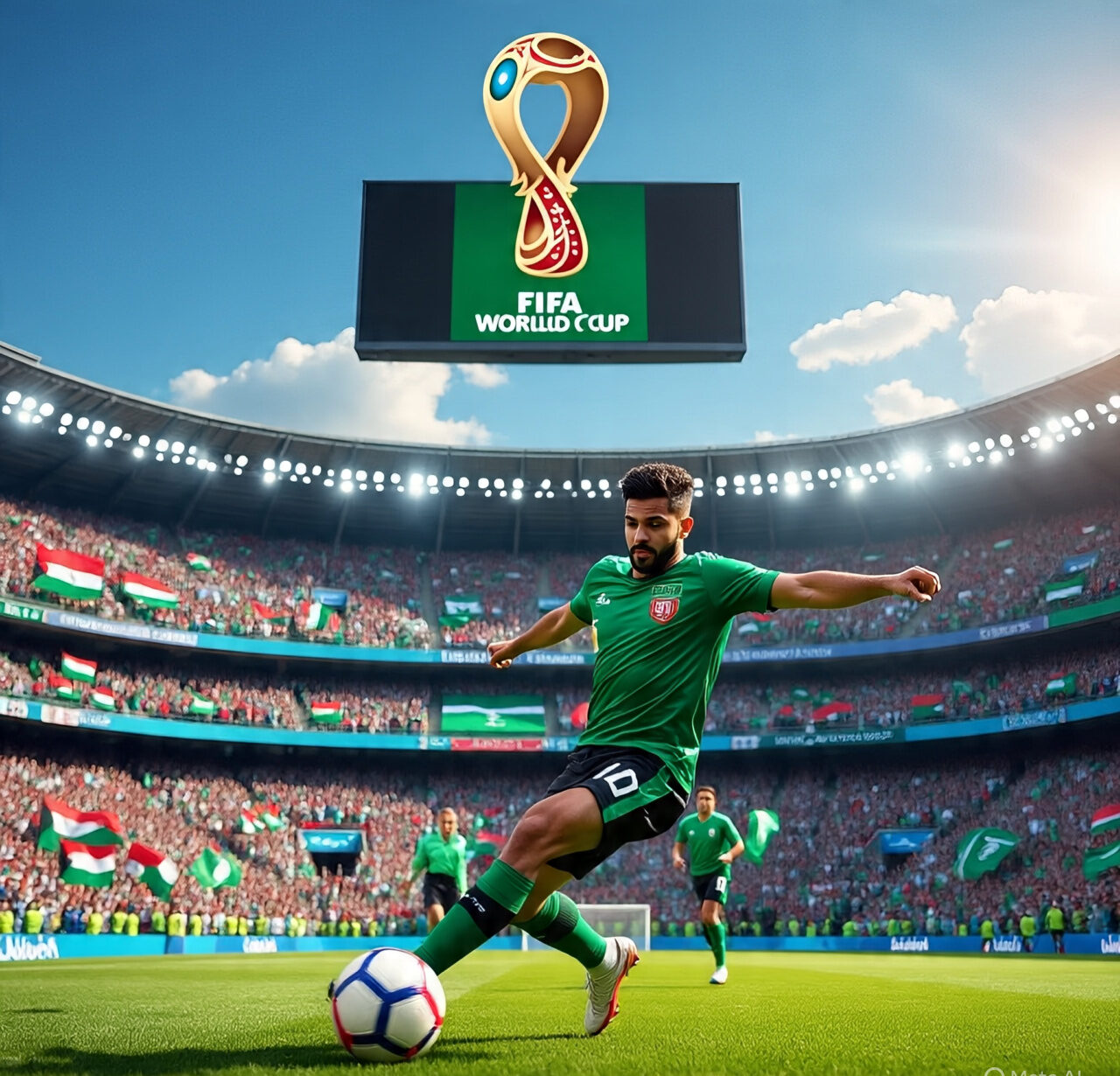
Saudi Arabia’s successful bid to host the FIFA World Cup 2034 marks a historic moment not only for the Kingdom but for global football. At the heart of this milestone lies an ambitious vision: a network of next-generation stadiums designed to redefine how the world experiences football.
These stadiums are not just venues;
They are symbols of transformation, innovation, and Saudi Arabia’s long-term commitment to sports, culture, and global engagement.
As the Kingdom prepares for FIFA 2034, its stadium plans reveal a bold blend of cutting-edge architecture, advanced technology, sustainability, and cultural identity. This new era goes far beyond hosting matches it represents a reimagining of football infrastructure for the future.
Hosting the FIFA World Cup is one of the most powerful global platforms any nation can achieve. For Saudi Arabia, FIFA 2034 aligns closely with Vision 2030, the national strategy focused on economic diversification, tourism growth, and global cultural exchange.
The stadiums planned for FIFA 2034 are central to this vision. They aim to:
Rather than temporary constructions, these stadiums are being designed for decades of use, serving football clubs, concerts, community events, and future global tournaments.
Saudi Arabia’s FIFA 2034 stadiums represent a shift away from traditional stadium architecture. Instead of uniform concrete structures, the Kingdom is investing in iconic, city-specific designs that reflect local culture while embracing futuristic concepts.
Key design principles include:
Each stadium is planned as a destination, not just a matchday venue.
Technology will define Saudi Arabia’s FIFA 2034 stadium experience. These venues are expected to rank among the smartest stadiums ever built, integrating advanced digital systems at every level.
Planned features include:
For fans, this means faster entry, smoother movement, and a highly personalized matchday experience. For organizers, it ensures security, efficiency, and global broadcast excellence.
One of the biggest challenges of hosting a World Cup in the Middle East is climate. Saudi Arabia is addressing this head-on with advanced cooling technologies and climate-responsive design.
Stadium innovations include:
These solutions aim to maintain comfortable conditions for players and fans while minimizing environmental impact.
Sustainability is a major pillar of Saudi Arabia’s FIFA 2034 stadium strategy. Unlike older mega-events criticized for environmental waste, the Kingdom is emphasizing long-term environmental responsibility.
Key sustainability measures include:
Many stadiums are expected to achieve international green building certifications, reinforcing Saudi Arabia’s commitment to eco-friendly development.
Saudi Arabia plans to distribute FIFA 2034 matches across multiple cities, ensuring nationwide economic and cultural impact. Major host cities are expected to include:
Saudia Arabia is gearing up to host the 2034 FIFA World Cup, with five state-of-the-art stadiums planned across the kingdom. Each stadium is designed to provide an unforgettable experience for players and spectators alike.
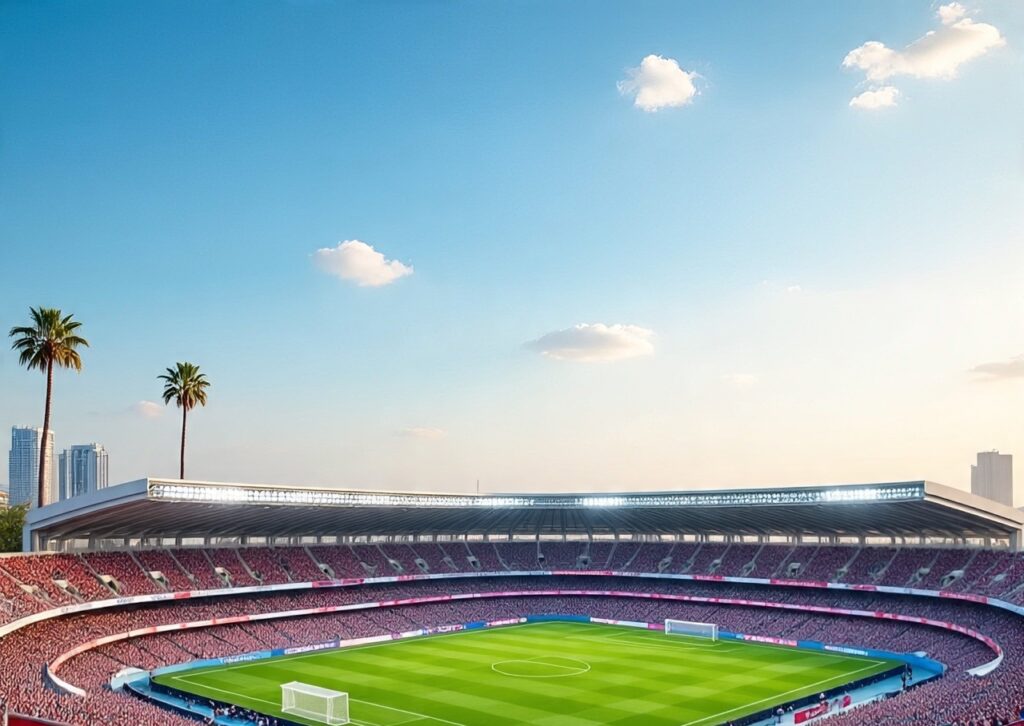
”Saudia Arabia FIFA 2034:
Stadiums of the Future”
Saudi Arabia’s FIFA 2034 stadiums are designed to tell a story. Architectural elements draw inspiration from:
This approach ensures the stadiums feel uniquely Saudi while remaining globally appealing. The result is a balance between heritage and innovation.
The economic impact of FIFA 2034 stadium development extends far beyond matchdays.
Long-term benefits include:
These stadiums are part of a broader ecosystem designed to support sustained economic growth.
Saudi Arabia aims to set a new global benchmark for fan experience. FIFA 2034 stadiums are being designed with the fan journey in mind from arrival to departure.
Features include:
The goal is to make attending a match a full-day immersive experience, not just a 90-minute event.
One of the most important aspects of stadium development is post-tournament legacy. Saudi Arabia has emphasized that FIFA 2034 stadiums will not become unused monuments.
Post-World Cup plans include:
This ensures long-term value and avoids the pitfalls seen in previous World Cup host nations.
Hosting FIFA 2034 with world-class stadiums significantly enhances Saudi Arabia’s soft power. The tournament provides an opportunity to reshape global perceptions by showcasing openness, innovation, and hospitality.
Stadiums play a crucial role in this narrative. They will be among the most visible symbols broadcast to billions worldwide, representing the Kingdom’s modern identity.
Saudi Arabia’s FIFA 2034 stadiums symbolize more than a World Cup they represent a national transformation. Through visionary architecture, smart technology, sustainability, and cultural pride, the Kingdom is setting the stage for one of the most ambitious sporting events in history.
As 2034 approaches, these stadiums will stand as powerful reminders that football is not just a game it is a platform for innovation, unity, and global connection. Saudi Arabia’s new era has begun, and the world will be watching.






[…] a significant move, Saudi Arabia has announced plans to invest a whopping $10 billion in Pakistan, marking a major boost to the […]
[…] indicate that Saudi officials have encouraged Alibaba to go beyond cloud services and […]
[…] 3. La Mer: La Mer will host a range of activities, including traditional Arabic coffee and dates, henna painting, and a photo booth with UAE-themed props. Conclusion The UAE National Day celebrations in Dubai promise to be an unforgettable experience, offering a glimpse into the rich culture, heritage, and traditions of the UAE. With a range of events, activities, and festivities, there’s something for everyone to enjoy. […]