Physical Address
304 North Cardinal St.
Dorchester Center, MA 02124
Physical Address
304 North Cardinal St.
Dorchester Center, MA 02124
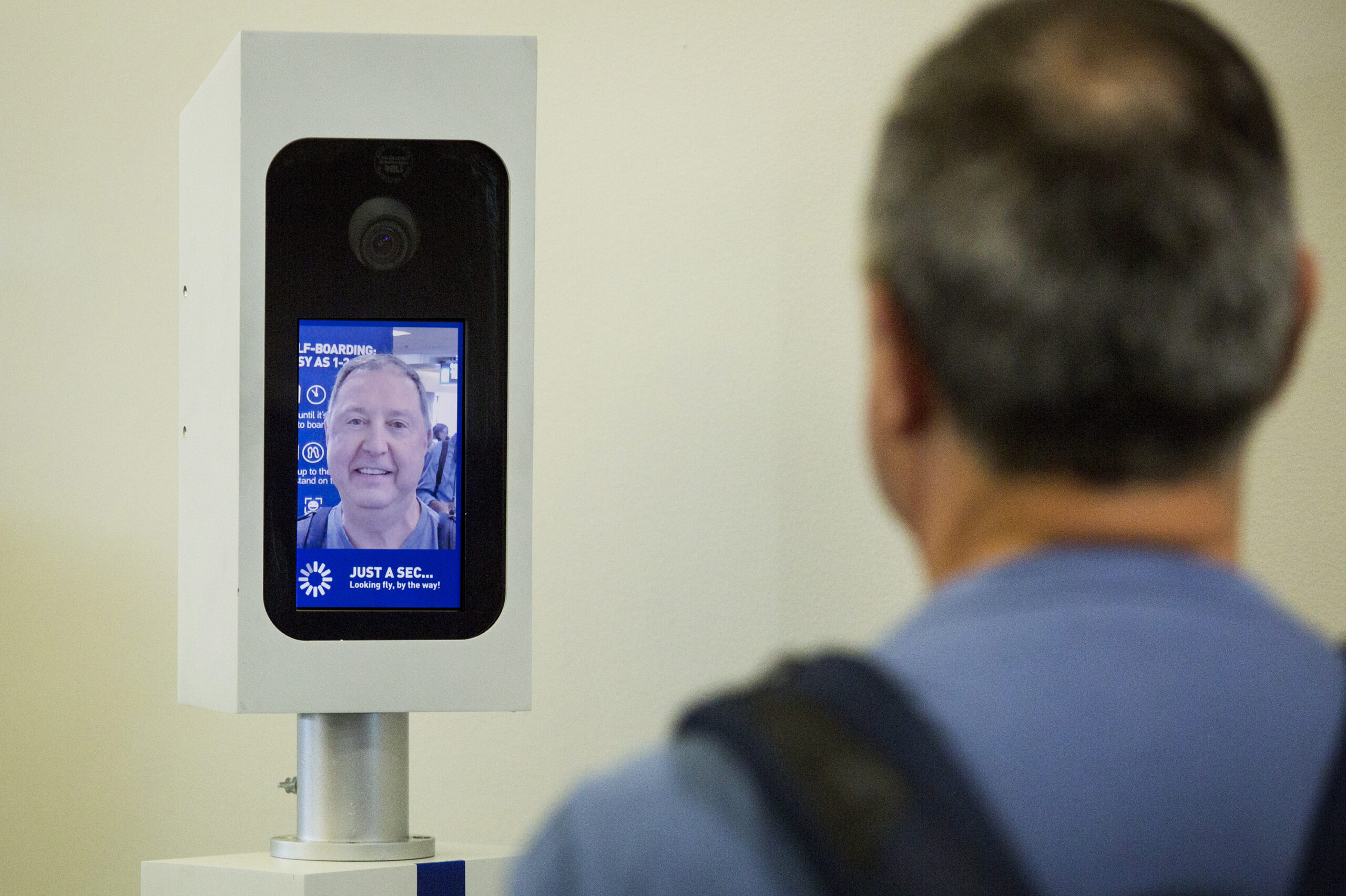
Airports around the world are racing to adopt face recognition technology. From automated immigration gates to contactless boarding, facial biometrics are being promoted as the future of air travel. Governments and airport authorities highlight speed, security, and convenience. Long queues disappear. Passports stay in pockets. Travelers move faster than ever.
But beneath the polished demos and official statements lies a side of face recognition airports that is rarely discussed in detail. A side involving privacy risks, data misuse, silent surveillance, bias, and long-term consequences that most passengers never think about.
The dark side of face recognition in airports, the issues that remain largely absent from mainstream discussion, and why this technology raises serious questions about the future of travel, privacy, and human rights.
Face recognition technology uses biometric data to identify individuals by scanning facial features and matching them against stored databases. Airports now use this technology for:
Countries such as the UAE, Saudi Arabia, the United States, China, and parts of Europe are rapidly expanding biometric airport systems. The goal is simple: frictionless travel.However, convenience often comes at a cost.
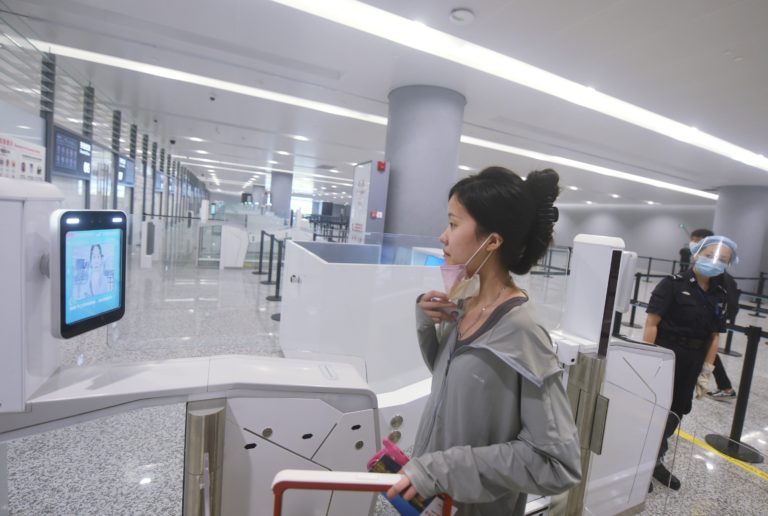
Most travelers are not fully informed about how face recognition systems work. Notices are often vague, and consent is sometimes implied rather than explicit.
Key questions passengers rarely get clear answers to include:
In many cases, the answers are either unclear or buried in lengthy privacy policies that few people read.
The biggest concern surrounding face recognition airports is privacy erosion.
Unlike passports or boarding passes, facial data is biologically tied to a person. You can change a password. You cannot change your face.
Once collected, facial biometric data becomes a permanent identifier that can be reused, repurposed, or misused. Even when airports claim data is secure, the risk never truly disappears.
The real issue is not just data collection it is normalization. When face scanning becomes routine, people stop questioning it.
Face recognition systems installed for airport use rarely remain limited to airports.
Once the infrastructure exists, it can easily expand into:
This creates a continuous surveillance loop, where movement across borders becomes part of a broader tracking ecosystem.
What begins as airport security can quietly evolve into nationwide facial monitoring without public debate.
Consent is a major ethical concern in biometric airports.
In theory, passengers may have a choice. In reality:
This creates coerced consent, where travelers agree simply to avoid inconvenience.
True consent requires a real alternative not a penalty.
Despite marketing claims, face recognition systems are not equally accurate for everyone.
Studies have shown higher error rates for:
At airports, even small error rates can have serious consequences:
When algorithms make mistakes, travelers pay the price.
Unlike a human officer, an algorithm does not explain its decision.
If a face recognition system fails to match correctly:
In many airports, there is no clear accountability when biometric systems cause harm. Responsibility is often passed between vendors, authorities, and software providers.
This lack of transparency makes it difficult to challenge errors.
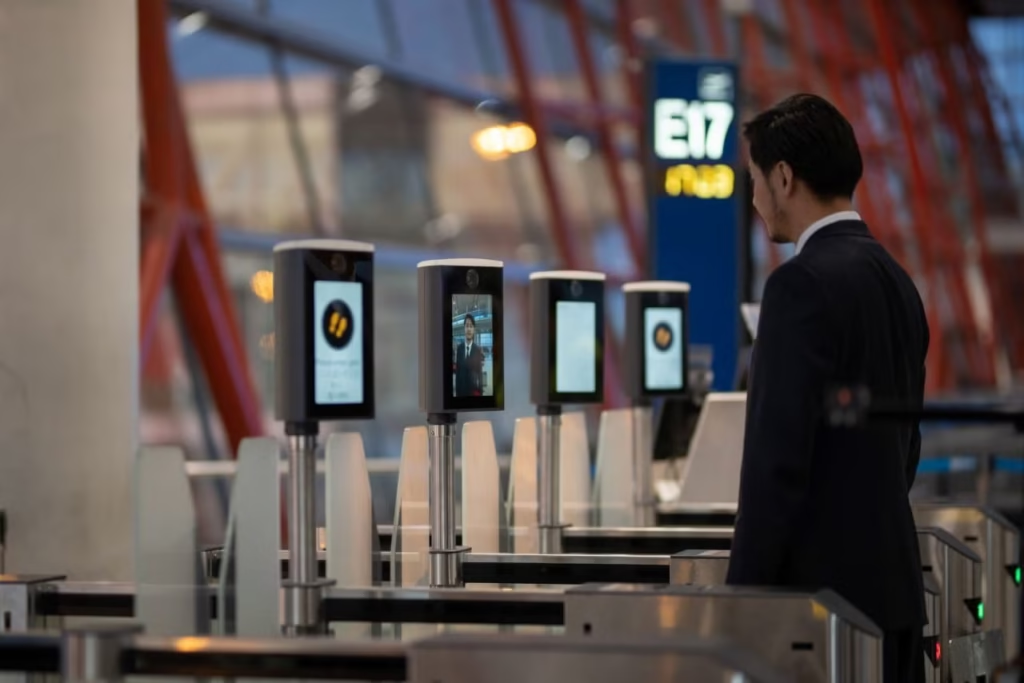
Airport authorities often claim facial data is encrypted and protected. But history shows that no system is immune to breaches.
If biometric databases are compromised:
A password leak is bad. A biometric leak is irreversible.
The long-term risk is not hypothetical it is inevitable.
Another rarely discussed issue is commercial use.
Some airport systems are operated by private companies that provide biometric services. This raises critical questions:
Even anonymized biometric data can be valuable when combined with other datasets.
Travelers rarely know where their data truly ends up.
Face recognition data does not always stay within one country.
Governments may:
In a world of increasing geopolitical tension, this creates risks for:
Airports become silent data checkpoints in global power systems.
Beyond privacy and security, there is a psychological cost.
Being constantly scanned creates:
Over time, people adapt but adaptation does not mean acceptance. It means desensitization.
This shift affects how societies view freedom, movement, and personal boundaries.
Most coverage of face recognition airports focuses on:
Critical discussions are often missing because:
As a result, the public narrative remains one sided.
One of the biggest problems is regulatory delay.
Technology evolves faster than laws. In many regions:
Without strong regulation, airports effectively set their own rules.
This imbalance benefits efficiency but risks civil liberties.
While individuals cannot stop global adoption, they can stay informed.
Practical steps include:
Awareness is the first layer of protection.
Face recognition is not inherently evil. Used responsibly, it can improve safety and efficiency.
The problem lies in unchecked expansion.
A balanced future requires:
Without these, convenience will continue to outweigh rights.
Once biometric systems become fully embedded, reversing them becomes nearly impossible.
The time to ask questions is before face recognition becomes invisible and unquestioned.
Airports are testing grounds for technologies that later spread everywhere else.
What we accept at airports today shapes the future of public spaces tomorrow.
Face recognition airports represent a powerful technological shift but also a silent one. While travelers enjoy faster lines and smoother journeys, deeper issues remain hidden behind sleek terminals and digital screens.
Privacy erosion, surveillance expansion, data risks, and ethical concerns are not distant possibilities they are already happening.
The real danger is not the technology itself. It is the absence of meaningful discussion, regulation, and public awareness.
As airports become smarter, society must become wiser.
Face recognition technology in airports uses biometric scans of a person’s face to verify identity during check-in, boarding, and immigration.
Airports use face recognition to speed up passenger processing, reduce queues, improve security, and enable contactless travel.
In many airports, face recognition is optional, but opting out may result in slower manual checks, making it feel mandatory for travelers.
Major concerns include long-term data storage, lack of transparency, potential data misuse, and limited passenger control over biometric information.






[…] The Dark Side of Face Recognition Airports Nobody Is Discussing […]
[…] The Dark Side of Face Recognition Airports Nobody Is Discussing […]
[…] The Dark Side of Face Recognition Airports Nobody Is Discussing […]
[…] The Dark Side of Face Recognition Airports Nobody Is Discussing […]